
When Should I Refinance My Mortgage? A Timing Guide
When should I refinance my mortgage? The answer depends on three conditions: the gap between your current rate and today’s market rate is at least 0.75 to 1 percentage point, your break-even point on closing costs is shorter than how long you plan to stay in the home, and your credit profile is strong enough to qualify for a competitive rate. Miss any of these three, and refinancing usually costs more than it saves.
This guide walks through the framework — the math, the questions, and the situations where waiting is the smarter call.
The Three-Factor Framework for Refinance Timing
Most refinance advice tells homeowners to “watch for rates to drop.” That’s not wrong, but it’s incomplete. A rate drop alone doesn’t tell you whether refinancing makes sense for your specific loan. Three factors do.
Factor 1 — The rate gap.
The difference between your current mortgage rate and today’s market rate is the foundation of the decision. A traditional rule of thumb is a 1 percentage point drop. A modern, more accurate rule is 0.75 percentage points if your loan balance is large and your closing costs are reasonable.
If your rate gap is smaller than that, the math rarely works once closing costs are factored in. Save your effort for a more meaningful market move.
Factor 2 — Your break-even point.
Closing costs typically run 2% to 5% of the loan amount. Your break-even point is the month when your refinance savings exceed those costs. The math is straightforward:
Closing costs ÷ monthly payment savings = months to break even
A homeowner with $5,000 in closing costs saving $200 per month after refinancing breaks even at month 25 — just over two years.
Factor 3 — Your timeline in the home.
If you’ll stay in the home longer than your break-even point, refinancing pays off. If you’ll move sooner, it doesn’t. The honest answer to “how long will I stay here” is often the difference between a refinance that earns you money and one that loses it.
When Refinancing Usually Makes Sense
Several specific scenarios consistently produce favorable refinance math:
Your rate is at least 0.75% above the current market rate, and you’ll stay in the home for at least 3 to 5 years.
This is the textbook scenario. The rate gap is meaningful, the break-even window is achievable, and the timeline lets the savings accumulate. Most homeowners in this position should at least run the numbers.
You have an adjustable-rate mortgage approaching its first reset.
Even at a slightly higher rate than your current introductory rate, refinancing into a fixed-rate loan removes uncertainty. The protection from future rate volatility often justifies the cost — particularly if rates are trending upward in the broader market.
You’ve built enough equity to eliminate PMI.
If you originated your loan with less than 20% down and your home has appreciated, refinancing can drop private mortgage insurance entirely. PMI savings alone can make the math work even when rates haven’t moved much.
You want to shorten your loan term.
Refinancing from a 30-year to a 15-year mortgage typically locks in a meaningfully lower rate and accelerates equity building. The monthly payment increases, but total interest paid over the life of the loan drops sharply.
When You Should Wait
Refinancing isn’t free. These situations almost always produce unfavorable math:
You’ll move within 2 years.
If you sell before reaching your break-even point, you’ve lost money on the refinance regardless of how much rates dropped. This is the single most common refinance mistake homeowners make. (See: Is Refinancing Worth It If You’re Moving in 2 Years?)
Your rate gap is smaller than 0.5%.
Closing costs typically swallow the savings on a small rate gap. Wait for a more meaningful market move.
Your credit score has dropped since origination.
A weaker credit profile means you may qualify for a worse rate today than the rate you have now — even in a falling rate environment. Improve the credit, then revisit.
You’d extend your loan term significantly.
Refinancing a 25-year-remaining loan into a fresh 30-year mortgage lowers your monthly payment but resets the clock. You’ll pay more total interest over the life of the loan even at a lower rate. Run the lifetime math, not just the monthly math.
How to Calculate Your Break-Even Point
Your break-even point is the month when your cumulative refinance savings exceed the cumulative cost of refinancing. Three numbers determine it:
1. Total closing costs. Lender fees, appraisal, title insurance, recording fees, and origination charges. Most refinances run between 2% and 5% of the loan amount.
2. Monthly payment savings. The difference between your current monthly principal and interest payment and your new monthly payment after refinancing.
3. The math. Divide closing costs by monthly savings. The result is the number of months until you break even.
A practical example: $4,500 in closing costs ÷ $180 monthly savings = 25 months to break even. After that month, every dollar of savings is real money in your pocket.
If you’ll stay in the home for at least double the break-even period, the refinance is usually a strong move. If you’ll stay only for the break-even period itself, it’s a wash. If you’ll move sooner, you lose money.
Three Questions Every Homeowner Should Answer Before Refinancing
Before signing any refinance paperwork, every homeowner should be able to answer:
1. What is my exact rate gap?
Not a rough sense — the precise figure. Pull your current statement, find your current rate, and compare to today’s 30-year fixed market rate.
2. What is my break-even point in months?
A specific number. If you can’t calculate it, you’re not ready to commit.
3. How long will I realistically stay in this home?
This requires honesty. Are you in a starter home? A relocation-prone industry? A neighborhood you’re not sure about? Be realistic, not optimistic. The math doesn’t care about your hopes — it cares about your timeline.
Why Timing Beats Rate Shopping
Most refinance content focuses on finding the lowest rate. That’s the wrong starting point.
The right starting point is timing. A 0.5% rate drop captured at the right moment for your loan saves more money than a 1% rate drop you act on too late. The difference between a refinance that works and one that doesn’t usually isn’t the lender — it’s whether you acted when the math was on your side.
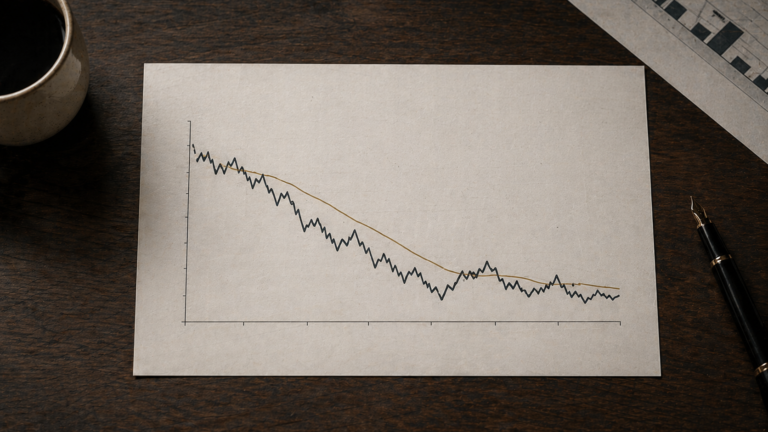
This is why LoanRefinancers built Rate Watch. Most homeowners have no practical way to track whether the market has moved enough to make refinancing worth it for their specific loan. Rate Watch monitors mortgage rate trends continuously, sourced from Freddie Mac PMMS, and alerts you when conditions shift meaningfully relative to your current rate.
You’ll know when your window opens — without checking dashboards every morning.
Common Refinance Timing Mistakes
Three patterns repeat themselves across homeowners who lose money on refinancing:
Acting on a headline instead of the math.
A news story announces rates have dropped to a 6-month low. The homeowner refinances without running the break-even math, and discovers they would have needed to stay in the home another 4 years to come out ahead. Headlines don’t account for your specific loan.
Underestimating closing costs.
The advertised rate looks great. The total cost — once lender fees, appraisal, and title insurance are added — quietly absorbs most of the savings. Always ask for a Loan Estimate from multiple lenders before deciding.
Refinancing too often.
Each refinance comes with closing costs. Homeowners who refinance every time rates drop a fraction can spend more in cumulative closing costs than they save in cumulative interest. The math has to work each time.
Frequently Asked Questions
How often can you refinance a mortgage?
There’s no legal limit on refinance frequency. The practical limit is the math — each refinance costs money, so the savings need to outweigh the costs each time.
Does refinancing reset my mortgage clock?
Yes, if you refinance into a new full-term loan. Refinancing a 25-year-remaining loan into a fresh 30-year mortgage lowers your monthly payment but extends the timeline. To avoid this, refinance into a term that matches your remaining schedule — or shorter.
Should I refinance to a 15-year mortgage?
If you can afford the higher monthly payment, a 15-year loan typically locks in a meaningfully lower rate and dramatically reduces total interest paid over the life of the loan. It’s not the right choice for everyone, but it’s worth modeling against a 30-year refinance.
What credit score do I need to refinance?
Most conventional lenders look for a credit score of 620 or higher. Better rates typically require 740 or higher. Government-backed streamline programs (FHA, VA) often have more flexible credit requirements.
Can I refinance more than one home?
Yes. Each property’s refinance is evaluated separately. The same three-factor framework applies to each: rate gap, break-even point, timeline.
The Bottom Line: When Should I Refinance My Mortgage?
The right time to refinance isn’t determined by what’s happening in the market — it’s determined by what’s happening with your specific loan. A meaningful rate gap, a break-even point you’ll actually reach, and a timeline that lets the savings compound are the three signals that tell you the math works.
If you’re not sure where you stand, start with Rate Watch. It monitors the market on your behalf and alerts you when conditions shift enough to be worth a closer look.
No credit pull. No SSN. No pressure.